

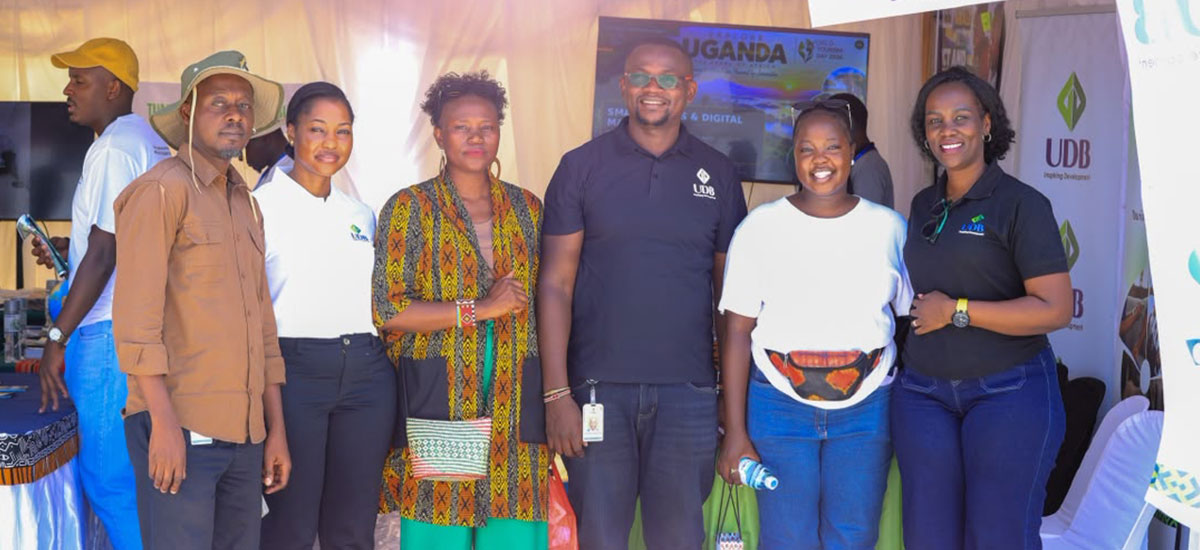
Uganda Development Bank (UDB), Uganda’s national Development Finance Institution, has called on tourism enterprises and prospective investors to harness Eastern Uganda’s tourism potential by leveraging affordable and patient capital to develop competitive enterprises, strengthen tourism value chains and accelerate sustainable socio-economic transformation.
The Bank says the region’s diverse natural, cultural and adventure tourism assets present significant investment opportunities as Uganda seeks to translate the sector’s strong recovery into increased private-sector investment, employment creation and local economic development.
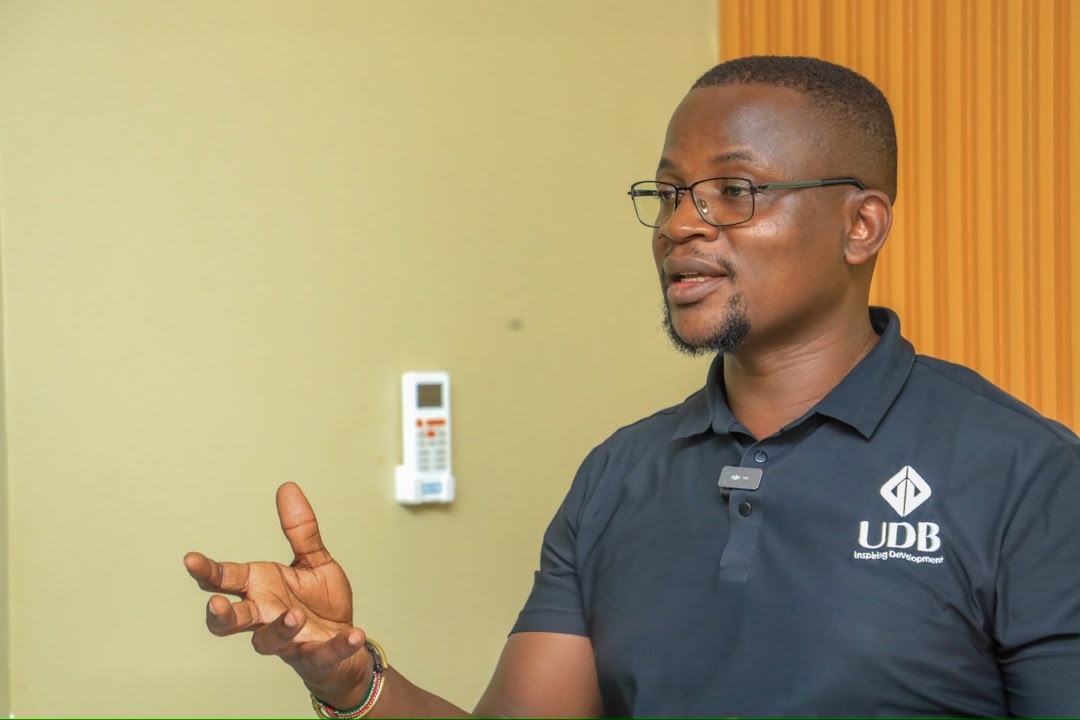
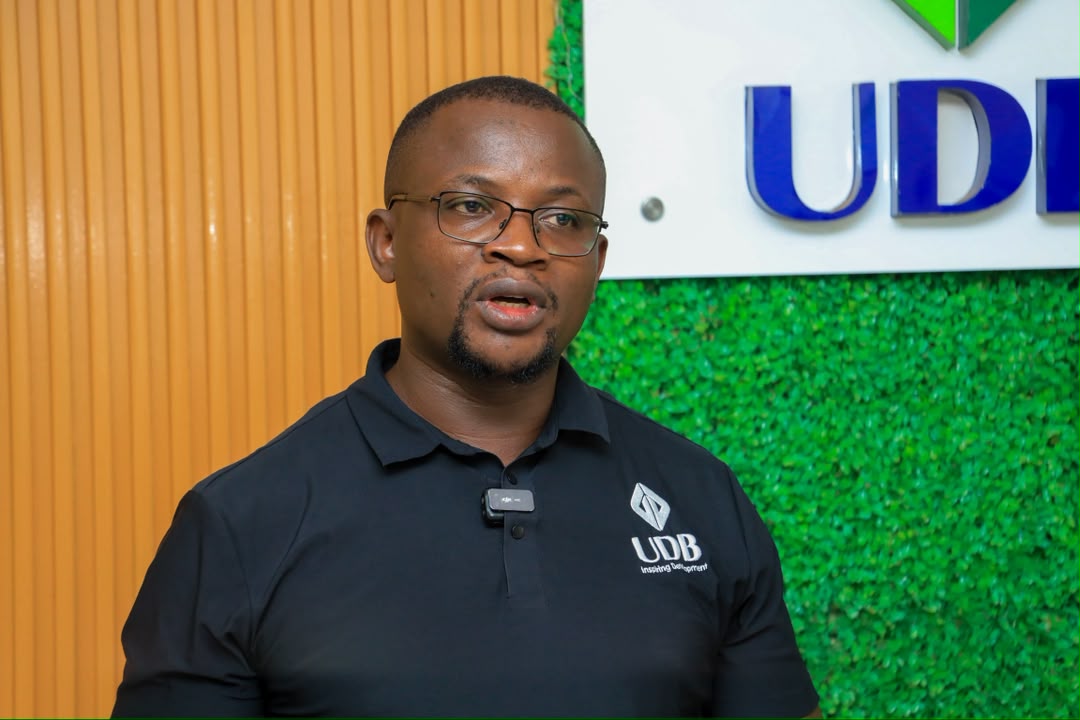
Speaking during the World Tourism Day celebrations in Mbale, Peter Watuwa, Regional Manager, UDB Eastern Regional Office, said tourism’s extensive linkages to other sectors make it strategically important to Uganda’s development ambitions.
“Tourism is much more than the movement of visitors. It is an economic value chain connecting accommodation, transport, agriculture, food production, creative industries, trade and community enterprises. With the right investment, tourism has the potential to stimulate economic activity far beyond the individual enterprise,” Watuwa said.
Uganda’s tourism sector has registered strong growth, with international tourist arrivals increasing by 19.7 per cent to 1.64 million in 2025. Tourism receipts reached approximately UGX 5.83 trillion (USD 1.62 billion), surpassing pre-pandemic levels, while the sector accounted for approximately 16 per cent of Uganda’s total export revenues.
Watuwa said the performance demonstrates both the sector’s resilience and the scale of the investment opportunity.
“Uganda has demonstrated that it has a globally competitive tourism proposition. The next frontier is to deepen investment across the value chain, improve the quality and diversity of our tourism products, increase visitor expenditure and ensure tourism generates greater economic value for businesses and communities,” he said.
Watuwa underscored UDB’s catalytic role in addressing one of the sector’s major constraints which is access to appropriately structured, long-term capital.
As Uganda’s national Development Finance Institution, UDB provides financial and non-financial solutions to enable viable enterprises to expand productive capacity, enhance competitiveness and deliver measurable development impact.
The Bank recognises that tourism investments, including hotels, lodges, conference facilities, specialised transport and destination infrastructure, often require substantial upfront capital and longer investment horizons.
“Tourism requires patient capital because many investments take time to mature. Our role is to provide financing that enables viable businesses to invest for the long term while generating sustainable economic and social returns,” Watuwa said.
UDB provides working capital, asset financing and long-term project financing, with project-financing tenors extending up to 15 years, alongside equity and other investment solutions where appropriate. Beyond financing, the Bank provides project preparation, investor support and enterprise advisory services among other specialised support services.
Watuwa noted that UDB considers not only the commercial viability of investments but also their wider development impact.
“When UDB finances a hotel, the impact extends beyond the hotel. It creates employment, generates demand for agricultural produce, creates opportunities for transporters and service providers, and supports local suppliers. Our objective is to finance commercially viable enterprises that improve productivity and create lasting economic opportunities for Ugandans,” he said.
As of 2025, services, which include tourism, accounted for approximately 17 per cent of UDB’s portfolio.
Eastern Uganda is particularly well positioned for increased tourism investment, given its concentration of natural, cultural and adventure attractions.
The region is home to Mount Elgon National Park, Sipi Falls, Source of River Nile, Pian Upe Wildlife Reserve, Tororo Rock and the Nyero Rock Paintings, alongside rich cultural heritage and growing opportunities in adventure and agro-tourism.
These assets present investment opportunities in accommodation, conference facilities, specialised tourist transport, adventure tourism, cultural experiences, farm stays, coffee tourism and related services.
“The opportunity before Eastern Uganda is to convert its extraordinary tourism assets into investable products and experiences. This requires quality accommodation, reliable transport, compelling visitor experiences and strong local supply chains,” Watuwa said.
UDB has strengthened its regional presence through its Eastern Regional Office in Mbale, bringing development finance and enterprise support closer to businesses and prospective investors.
Speaking at the celebrations, the Minister of Tourism, Wildlife and Antiquities, Hon. Tom Butime, underscored the importance of affordable capital in unlocking private-sector investment.
“We need affordable capital that allows investors to build facilities whose returns accumulate over many years. We seek stronger government support for the events and MICE industry, including affordable capital, investment incentives and infrastructure capable of attracting and hosting more major events,” Hon. Butime said.
President Yoweri Museveni similarly emphasised the need to position tourism as an investment and trade opportunity.
“We should not only tell the world to visit Uganda. We should also tell the world to invest in Uganda, trade with Uganda and build partnerships with Uganda,” President Museveni said.
Watuwa said the convergence of growing tourism demand, Eastern Uganda’s largely untapped assets and access to development finance creates a significant opportunity for private-sector investment.